Here’s What Happens If You Don’t Pay Your Credit Card Debt in the UAE?
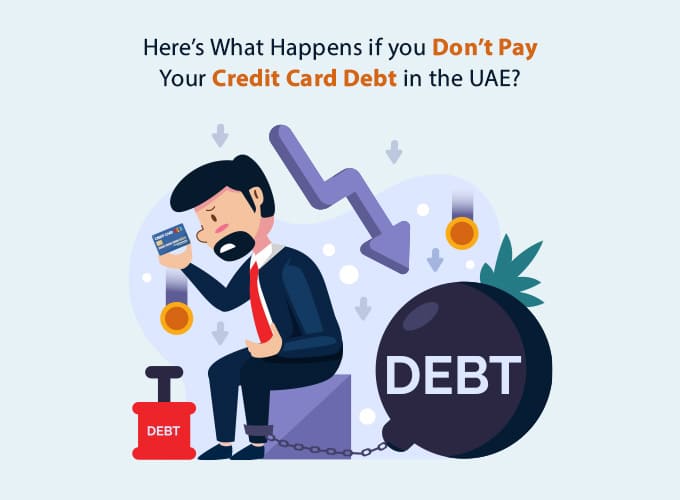
If you don’t pay your credit card debt in the UAE, it can trigger severe consequences. This can include travel bans, lawsuits, asset seizures, and potential criminal action for bounced security cheques. Understanding what happens if you stop paying debt, along with practical ways to pay off credit ...read more

Best credit cards with 0 Annual fee*

- Cashback up to AED 2,000
- Rewards + Welcome Offers
- No Annual Fee
- Travel benefits
- Dining Discounts
- Entertainment Benefits

What are the Consequences of Unpaid Credit Card Debt in UAE?
When you stop paying credit card debt, it can lead to financial troubles and possible court action, which can affect your daily life, job prospects, and more. In the UAE, lenders take debt seriously. They can use legal steps to get unpaid amounts back. Let’s understand the consequences in more detail —
Legal Action and Civil Suits
If you miss 3 consecutive or 6 non-consecutive payments, the bank can file a civil case to recover the outstanding balance, interest, and fees. A court ruling in the bank’s favour can lead to asset seizures, frozen accounts, and long-term damage to your financial reputation.
Criminal Proceedings
Bounced security cheques may result in legal action. However, an arrest is usually applied only in serious cases involving fraud or evasion. Such a risk of imprisonment, however, can disrupt personal and professional life and severely harm your reputation.
Travel Bans
For unpaid credit card debts above AED 10,000, courts may impose a travel ban at the bank’s request. If this is applied, you cannot leave the country until the debt is settled. In severe cases, you can be barred from entering the UAE again. All of this can affect your family, work duties, and international commitments.
Asset Seizure and Account Freezing
Once a court issues a judgment, assets or bank accounts may be frozen. These measures restrict access to daily finances and hurt your finances.
Credit Score Impact
Each time you fail to pay off credit card debt or default, it’s recorded by the al etihad credit bureau (AECB). Such a history can significantly reduce your credit Score. A poor score limits access to loans, credit cards, and even housing options.
Employer and Social Consequences
Court cases, arrests, or judgments may reach an employer or regulatory body, risking professional consequences.
Rising Debt From Penalties
Late fees, higher interest, and collection charges can quickly increase the total debt. This can actually make the repayment more difficult and prolong your financial stress.

How to Avoid the Consequences and Better Manage Credit Card Debt in UAE?
Managing credit card debt in the UAE is easier when you act early and stay organised. If you pay your bills on time, you won’t have to face any issues related to your credit score, legal proceedings, and more. The tips below offer practical ways to control spending, work with your bank, and avoid serious financial trouble.
- Keep an eye on spending: Stick to a tight budget. Watch where your money goes, focus on paying off what you owe. Use that info to cut out extras, so debts vanish quicker. Slash non-essentials and speed up the payoff time.
- Reach out to your bank: Tell your bank right away when trouble’s coming. Some lenders offer help, such as adjusted plans that lower your monthly payments.
- Negotiate debt changes: At their discretion, banks might cut interest rates or stretch out payments. Alternatively, they could let you pay a smaller lump sum to clear what you owe.
- Combine debts when you can: Swap multiple bills for one loan or card with cheaper rates, so it’s simpler to keep up. Instead of juggling cards, handle just a single payment each month. This is easily possible with balance transfer credit cards.
- Clear your balance at once: Put extra cash, refunds, or saved money into paying down what you owe on cards. This stops interest from piling up later. Instead of waiting, act now using funds that come in unexpectedly. That way, less debt builds over time.
- Contact a lawyer who knows UAE debt rules: Get clear on what you can do next. Or, reach out to a financial advisor if money issues feel overwhelming.
The steps mentioned can protect your money while also reducing possible risks.
| How Credit Card Utilisation Impacts on Your Credit Score? |
How Can I Settle My Credit Card Debt in the UAE?
Knowing what happens if you stop paying credit card debt in UAE, it’s better to be proactive and manage debts better. Settling your card starts with understanding what you owe and taking steady, practical steps toward repayment.
By organising your finances, talking to your bank, and exploring structured solutions, you can work toward clearing your balance with confidence.
- Check where you stand with debt: Round up clear info on every card balance, the applicable interest fees, and also what each agreement says.
- Set up a realistic payback strategy: Map out your money so bills come first while you can still afford basics. While balancing what’s owed, ensure daily needs aren’t skipped.
- Focus on steady progress: Small steps beat rushed promises. Rather than guessing, track spending to stay clear-eyed about choices.
- Get in touch with your bank: Be open about how things stand money-wise. Next, ask if they can work out a new plan, lower the rate, or agree on a payoff.
- Think about legal debt deals: Get every payment plan in writing so things stay clear later. This way, no mix-ups happen down the road because everything’s spelled out from the start.
- Check out debt consolidation: You can grab a deal that helps you ditch high-interest cards, making bills easier each month.
- Follow your repayment plan closely: Sticking to your plan at each step builds trust over time, while skipping payments brings bigger problems later.

| Good Debt Vs Bad Debt - What is the Difference? |
FAQs on Credit Card Debt in UAE
Ans: Generally, you can go out of the UAE with credit card debt. However, if your unpaid amount is above AED 10,000 and you have not paid bills for a long time, the bank may get a court order against you. In this case, you cannot leave the UAE with debt.
Ans: The punishments involve civil and/or criminal action, imprisonment until the payment is cleared, travel bans, and seizures of property or bank accounts. The exact penalty depends on the amount involved and a few other variables.
Ans: Yes. India and the UAE have a ‘reciprocating territory’ agreement, which means the order of the courts of one country may be enforced in the other one. In plain terms, if you have a court order for unpaid debts in the UAE, you can face action for the same in India as well.
More From Credit Cards
- Recent Articles
- Popular Articles
 20 Mar 2026Difference Between Priority Pass and LoungeKey Credit CardsLoungeKey and Priority Pass are two common airport lounge programs. Both offer access to the top airport lounges through credit cards and memberships.
 20 Mar 2026Free Visa Credit Card – Apply Online with No Annual FeeGet a free Visa credit card with no annual fee. Enjoy rewards, cashback, and easy online approval. Apply now and start saving today.
 04 Feb 2026Emirates Miles Calculator: Check How You Earn Skywards Miles?The Emirates points calculator is an automated tool for tracking your Skywards Miles. It lets you check how many miles you can earn from flights and spending with Emirates.
 22 Jan 2026Credit Card Eligibility Checker - Age, Income & Document RequiredCredit card eligibility checker is a helpful tool. It shows you the cards that you might qualify for, based on your financial details.
 09 Jan 2026DIB Roadside Assistance Credit Cards in UAE DIB Roadside Assistance Credit Cards in UAE - Choose & Apply for the best Dubai Islamic Bank (DIB) with Roadside Assistance in UAE & Dubai with features & Benefits. Check eligibility, documents required, how to Apply, & more.
 19 Feb 2026Marriott Bonvoy Credit Cards in UAE – Rewards & BenefitsExplore Marriott Bonvoy credit cards in UAE. Compare rewards, travel perks, annual fees & eligibility. Apply online for exclusive hotel benefits.


- Follow Us :