
 Tanvi Pathak


- Secured Credit Card vs Unsecured Credit Card: Quick Summary
- What is a Secured Credit Card?
- Pros and Cons of Secured Credit Cards UAE
- What is an Unsecured Credit Card?
- Secured Card vs Unsecured Credit Card: Which is Better for Building Credit?
- Who Should Choose a Secured Credit Card vs Unsecured Credit Card?
- How Do Secured and Unsecured Cards Affect Your UAE Credit Score?
Secured Credit Card vs Unsecured Credit Card: Quick Summary
A secured credit card in UAE requires a security deposit, while an unsecured credit card does not. If you're new to credit, have a limited ...read more

Airport Lounge
Relax Before you take off

Shopping Benefits
Exclusive offer on top Cards

Fuel benefits
Save more on every fill

Movie Discounts
Enjoy blockbusters for less


Reward points on Every Spend*


Monthly Income (Dirhams)
Below 5k
5k - 8k
8k - 12k
12k - 15k
15k - 20k
20k - 25k
25k - 35k
Above 35k
Table of Content
In the UAE, the Central Bank’s credit-card rules set a minimum annual income of AED 60,000 for standard credit-card issuance. Applicants who do not meet this income threshold may need to pledge a deposit of at least AED 60,000, subject to the applicable rules and bank approval. Banks can also set their own eligibility criteria.
Paisabazaar.ae suggests you compare both options based on the deposit required, annual fees, interest or profit rates, eligibility, and credit-building potential. Remember, a secured card can still charge fees and interest. Moreover, your deposit may remain locked until you close the card and settle your dues.
Disclaimer: This article is for general information only and does not constitute financial advice. Credit card eligibility, fees, rates and features vary by bank and may change. Review the specific card issuer’s latest Key Facts Statement and terms before applying.
Most Popular Credit Card in UAE
Free for Life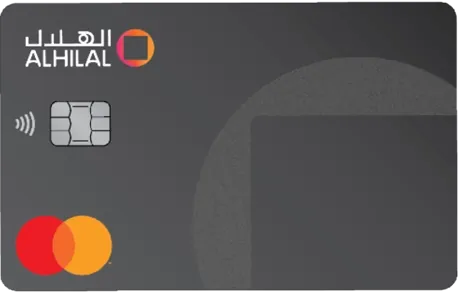
Cashback Credit Card
Minimum Salary:5,000
Annual Fee:Free for Life
5% cashback on two categories below Grocery, Educations, Fuel, International spends, Dining
Enjoy complimentary airport lounge access to over 25 lounges worldwide.
Cashback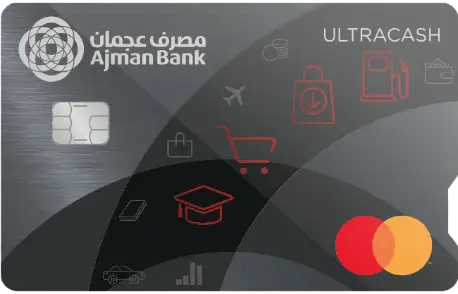
ULTRACASH Mastercard Touch Card
Minimum Salary:10,000
Annual Fee:500
Welcome Offer : Make one retail transaction in the first 30 days of card issuance and receive bonus cashback upon payment of annual fee.AED 500 UAE Nationals and AED 300 Expatriates
10% cashback on Fuel for the first 3 months and 5% thereafter
Reward Points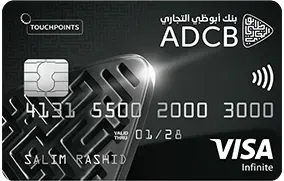
TouchPoints Visa Infinite Credit Card
Minimum Salary:25,000
Annual Fee:1,050
15,000 Bonus TouchPoints for spends of AED 15,000
VOX Cinemas Buy one get one FREE
Secured Credit Card vs Unsecured Credit Card: Quick Summary
The main difference between a secured and unsecured credit card is the security deposit. However, there are other differences in eligibility, credit limits, fees and benefits to consider.
|
Feature |
Secured Credit Card |
Unsecured Credit Card |
|---|---|---|
|
Security deposit |
Required, usually held as cash or a fixed deposit |
Not required |
|
Approval |
Backed by a deposit, but bank approval criteria still apply |
Based on income, credit history, and the bank’s assessment |
|
Credit limit |
Linked to the deposit and the bank's policy |
Based on income, existing debt, and creditworthiness |
|
Credit history |
Responsible use may help build your UAE credit history |
Responsible use may also help build your UAE credit history |
|
Rewards |
Depends on the card; some offer cashback or other benefits |
Usually more options in terms of cashback, points, miles or lifestyle benefits |
|
Fees and interest |
May include annual fees, interest/profit, and late-payment charges |
May include annual fees, interest/profit, and late-payment charges |
|
Main drawback |
Your deposit may be locked while the card remains active |
Easier access to credit can encourage overspending |
What is a Secured Credit Card?
A secured credit card UAE is backed by a security deposit that the bank holds as collateral. In the UAE, this is typically available as a credit card against a fixed deposit.
For example, Wio Bank’s August 2026 Key Fact Statement says its deposit-backed card’s limit can be up to 80% of the deposit, subject to the bank’s internal criteria. A deposit of AED 10,000 could, thus, support a limit of up to AED 8,000 under that arrangement.
Your deposit may continue earning interest, depending on the product, but you generally cannot withdraw it while it is pledged. If you fail to repay your dues, the bank may use the deposit to settle the outstanding amount under the card's terms.

Pros and Cons of Secured Credit Cards UAE
|
Pros |
Cons |
|---|---|
|
Deposit-backed access: May be an option if a bank offers a secured card and you struggle to qualify for an unsecured one |
Requires savings upfront: You need enough money to pledge as security |
|
Helps establish repayment history: Responsible use may support your credit profile |
Money can be locked: You may not be able to withdraw the pledged deposit while the card is active |
|
Defined spending limit: A deposit-linked limit can help you manage how much credit you use |
Fees still apply: Annual fees, interest or profit, and late-payment charges may still be payable |
|
May offer rewards: Some deposit-backed products provide rewards or other benefits |
No guaranteed approval or upgrade: The bank sets eligibility rules, and moving to an unsecured card is not automatic |
What is an Unsecured Credit Card?
An unsecured credit card gives you access to a revolving credit limit without a security deposit. The bank assesses your income, employment details, existing liabilities, and credit history before deciding whether to approve your application and how much credit to offer.
For example, if a bank approves an unsecured card with a limit of AED 15,000, you can spend up to that limit, subject to your available credit. You do not have to pledge AED 15,000 in savings, although you still must repay what you spend.
Pros and Cons of Unsecured Credit Cards
|
Pros |
Cons |
|---|---|
|
No security deposit: Your savings are not tied up as collateral |
Stricter eligibility may apply: Banks assess income, liabilities and creditworthiness |
|
More card choices: You may be able to choose from cashback, travel, shopping and lifestyle cards |
A high limit can encourage overspending: Available credit is not the same as money you can afford to spend |
|
Potential rewards: Benefits may include points, miles, cashback and discounts, depending on the card |
Borrowing can become expensive: Interest or profit accrues if you do not repay in full |
|
May help build credit history: On-time payments and manageable balances can support your credit profile |
Missed payments have consequences: Late fees and adverse credit-history entries may affect future borrowing |
Secured Card vs Unsecured Credit Card: Which is Better for Building Credit?
Both types can help you build a credit history in the UAE when the issuer reports your account activity to Al Etihad Credit Bureau (AECB). The important factors when comparing secured credit card vs unsecured credit card are your repayment behaviour, outstanding balances and overall borrowing commitments, not simply whether your card is secured or unsecured.
To build a stronger credit profile:
- Pay on time: Pay at least the required amount by the due date, preferably the full statement balance.
- Keep your balance manageable: Avoid using most of your available credit every month.
- Avoid unnecessary applications: Multiple credit applications and high existing commitments can affect a bank’s assessment.
- Check your credit report: Review your AECB report for payment history, existing credit facilities, and inaccuracies.
A secured card is not a guaranteed shortcut to a higher credit score. Its benefit depends on the issuer’s reporting practices and how responsibly you manage the account.

Who Should Choose a Secured Credit Card vs Unsecured Credit Card?
A secured credit card may suit you if:
- You are new to borrowing in the UAE and want to start building a credit history
- You have savings available to pledge as a deposit
- You have difficulty qualifying for an unsecured card and a bank offers a suitable deposit-backed option
An unsecured credit card may suit you if:
- You meet the bank’s income and eligibility requirements
- You have an established repayment record
- You want a wider choice of rewards, travel benefits, or cashback
- You prefer not to lock up your savings as collateral
Before choosing either option, consider whether you can comfortably repay your card every month. If you need credit to cover recurring shortfalls in your budget, a credit card may not be the right solution.
How Do Secured and Unsecured Cards Affect Your UAE Credit Score?
Both types of cards help establish a credit history when the issuer reports the account to Al Etihad Credit Bureau (AECB). Your repayment behaviour and outstanding debt matter more than whether the card is secured or unsecured.
To build a stronger credit profile:
- Pay on time: Pay at least the required amount by the due date. Paying the full statement balance is generally better for avoiding interest or profit on eligible purchases.
- Keep balances manageable: Avoid maxing out on your available credit.
- Limit unnecessary applications: Multiple applications can decrease your credit score.
- Review your AECB report: Check your credit facilities and repayment history for errors.
As per the CBUAE’s rules, your total repayments across credit facilities must not be more than 50% of your salary. This is a regulatory repayment-capacity limit, not a recommendation to borrow up to that amount. Keep your borrowing comfortably within what you can afford.
Is a secured credit card better than an unsecured card?
It depends on your circumstances. A secured card may suit you better if you need a deposit-backed route to credit. An unsecured card may be more convenient if you qualify and want to avoid locking up savings.
Can I get a secured credit card in the UAE without a salary?
Depends on the bank and product. A deposit-backed card may have different eligibility requirements than a standard card, but approval is not automatic. Check the bank’s current terms.
Does a secured credit card guarantee a good credit score?
No. A secured card can help you build a repayment history. However, missed payments, high outstanding balances, and other credit commitments can still affect your AECB credit profile.
Can I get my security deposit back?
Generally, you can request the release of your deposit after closing the secured card and settling all outstanding dues and pending transactions. The bank’s closure process and release timeline will apply.
Can I upgrade a secured credit card to an unsecured card?
Possibly, but it depends on the issuer. Some banks may review your eligibility for another card or a different credit facility. Others may require you to apply separately. Ask the bank whether an upgrade option is available.
Do secured credit cards have lower interest rates?
Not necessarily. Interest or profit rates depend on the card’s terms and the issuer. Compare the actual rate, annual fees, and other charges instead of assuming a secured card will cost less.
Credit Cards on Salary Based in UAE
People Also Looking For
←Previous
More From Credit Cards
- Recent Articles
- Popular Articles
 Last Updated : 26 Oct 2026Credit Card Grace Period in UAE: How It Works & How to Avoid InterestDon't get caught by hidden credit card fees in the UAE. Discover how interest-free periods work and simple steps to completely avoid interest charges.
 Last Updated : 06 Oct 2026Debt Burden Ratio: What It Is & How to Calculate ItLearn what Debt Burden Ratio (DBR) is, how to calculate it step-by-step with formulas, and why banks use DBR to assess your loan approval limits.
 Last Updated : 15 Sep 2026Best Credit Card for Noon Supermarket in UAE 2026Best Credit Card for Noon Supermarket in UAE 2026 – Compare top cards, cashback offers, rewards and benefits to maximize savings on your Noon grocery purchases.
- Last Updated : 08 Sep 2026Best Credit Cards for Carrefour in UAE 2026Compare the top credit cards for Carrefour shopping in the UAE. Discover cards offering up to 8% back in SHARE points, cashback, and 0% installment plans.
 Last Updated : 27 Aug 2026Best Credit Cards for AED 30000 Salary in UAE (2026)Compare premium Visa Infinite & Mastercard World cards for AED 30K salary in the UAE. Maximize Skywards miles, valet parking, airport lounge access, and cash rewards.
 Last Updated : 26 Aug 2026Best Credit Cards for LuLu Hypermarkets in UAEDiscover the top credit cards for LuLu Hypermarket shoppers in the UAE. Compare top cards and high-cashback grocery options to earn up to 10% back on your daily purchases.