Best Balance Transfer Credit Cards in UAE 2026
A balance transfer credit card lets you move existing credit card debt to a new card, usually at 0% interest for 12+ months, so each payment ...read more




Reward points on Every Spend*



 Tanvi Pathak


Best Balance Transfer Credit Cards in UAE
Cashback Card
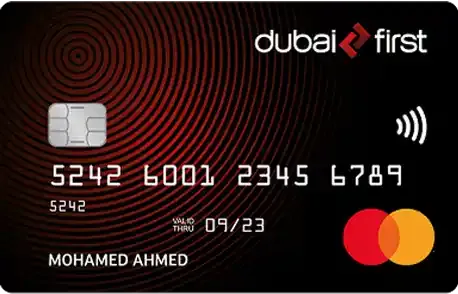
Cashback Credit Card

ULTRACASH Mastercard Touch Card

Balance Transfer Credit Cards in UAE: At a Glance
With a balance transfer credit card, you can move credit card debt from one or more cards to another card from a different bank, usually at a promotional 0% or a lower-interest rate for a fixed period.
|
What People Want to Know |
Quick Answer |
|---|---|
|
How long does a 0% rate last in the UAE? |
Usually, the promotion window ranges from 3 to 12 months, but some credit cards also hold a promotional window of up to 36 months |
|
What does it cost? |
There’s a one-time processing fee on the balance transfer that can range between 1% and 3% of the transferred amount + 5% VAT on the fee |
|
Can I transfer between two cards from the same bank? |
No, UAE banks only accept balances from cards issued by other banks |
|
What happens when the promotional window ends? |
The remaining balance is charged at the card’s standard rate, typically between 3% and 4% a month (APR fixed at around 36% to 48% a year) |
|
How much can I transfer? |
You can transfer up to 90% to 95% of the available credit limit on the balance transfer credit card, not the full limit |
|
Does it affect my AECB score? |
Applying adds an enquiry to your AECB report; on-time installments help you improve your score over time |
Best Balance Transfer Credit Cards in UAE
While many credit cards offer a balance transfer facility, choosing the right one matters. The right card depends on your debt, the promotional rate it offers, and when the promotional period ends.
That being said, here are some balance transfer credit cards you can consider.
|
Credit Cards |
Promotional Rate During Plan |
Balance Transfer Window |
Processing Fee |
Minimum Monthly Salary |
Best For |
|---|---|---|---|---|---|
|
0% |
6 months |
Up to 6% of the transfer amount |
AED 5,000 |
Lowest salary requirements; no annual fee |
|
|
0% |
Up to 12 months, if requested within 90 days of card issuance |
Up to 4% on the total principal |
AED 15,000 |
Longest 0% window for higher earners, no annual fee |
|
|
Ajman Bank ULTRACASH Mastercard Card |
Low promotional rate |
N/A |
N/A |
AED 10,000 |
Cashback card that also accepts transfers |
|
0% |
Up to 12 months |
Up to 4% on the total principal amount |
AED 8,000 |
0% transfers at a mid-range salary; no annual fee |
|
|
Low Profit Rates |
Up to 36 months |
N/A |
AED 10,000 |
Longest repayment period for larger balances |
|
|
Ajman Bank LIFE Platinum Credit Card |
0% |
3 or 6 months |
N/A |
AED 10,000 |
Short transfers on a free-for-life card |
Disclaimer: Balance transfer conditions are subject to change. Please check the terms and conditions before applying.

How Much Can You Save?
You owe AED 20,000 on a card charging 3.25% a month, and you want to clear it in 12 months. You have 2 options:
- Stay on your current plan and repay over 12 months: You would need to make a monthly payment of approx. AED 2,039, costing around AED 4,470 in interest (for a year)
- Move to a 12-month 0% promotional rate plan with a 2% processing fee: You would need to make a monthly payment of around AED 1,667, with a processing fee of AED 400 and a 5% VAT amounting to AED 20, which comes to AED 420
So, your savings are: AED 4,470 - AED 420 = AED 4,050.
In this example, balance transfer saves roughly AED 4,050, given you repay the entire AED 20,000 within the 12-month promotional period. If you don't pay off the full amount, the standard rate applies to the remaining balance.
Note: Figures are illustrative. Your bank’s actual rate and fees will change the result.
Pros and Cons of a Credit Card with Balance Transfer
A balance transfer credit card lets you move high-interest card debt from one bank to another with a lower introductory rate or a 0% promotional period.
Here are the pros of a credit card with balance transfer:
- Replaces a 3% to 4% monthly rate with 0% or a lower rate for a fixed period
- Most of each payment goes towards the principal instead of finance fees
- Combine several card bills from different banks into one monthly payment
- The fixed instalments make repayment dates predictable
However, there are certain risks involved in balance transfer if not handled properly:
- A processing fee of up to 3% is charged upfront even on 0% promotional plans
- The balance left after the promotion is charged at the standard interest rate
- Approval largely depends on your repayment capacity, existing debt, and AECB report
- New spending on the old or new card further increases your debt
Rules to Know Before Transfer
A balance transfer only saves money if everything goes as planned. UAE banks set conditions on which balances you can move, how much you can move, and what happens if you miss a payment. Here are 6 rules to know before applying.
- Banks only accept balances from other banks’ cards.
- Many banks apply their standard rate to the transferred amount if you miss an instalment; always set up automatic payment.
- The transfer amount limit is usually below your total credit limit. Banks usually allow a percentage of your approved credit limit.
- Your debt burden ratio matters. The Central Bank of the UAE rules that total monthly debt repayments should be less than 50% of your gross monthly salary, and a new card adds to that.
- A new card application adds an enquiry to your AECB report.
- On-time repayments help improve your score over time.

Why You’re Paying Interest on a 0% Balance Transfer?
A 0% balance transfer means no interest on the amount you transfer, as long as you follow the promotional plan’s terms. While you don’t incur interest during the promotional period, hidden charges still apply. Check the key fact statement to figure out the exact amount.
|
Charge |
When It Hits You |
What It Costs |
How to Avoid It |
|---|---|---|---|
|
Processing Fee + VAT |
Upfront, when the transfer is booked, it is added to your balance |
Generally, up to about 3% of the amount + 5% VAT on the fee |
Count the fee in your savings calculation. Confirm with the bank if it is charged once or per transfer. |
|
Missed or Late Installment |
You miss a monthly installment or pay late |
The promotional rate can be cancelled; the standard rate will apply to the transferred amount, along with a late payment fee |
Set up automatic payment for at least the entire promotional window. |
|
Promotion Ends with Outstanding Balance |
The 0% period expires before you have cleared the amount |
Standard rate on the amount left |
Divide the amount by the number of months in the plan and pay that amount each month. |
|
New Purchases Not Paid in Full |
You spend on the new card but don’t clear the full balance statement |
Standard rate applies on new spending, right from the transaction date |
Don’t use balance transfer credit card for new spending until the promotional period and plan ends. |
|
Paying Only the Minimum Due |
Your payment covers the minimum but not the overall instalment and new spendings |
Interest on the unpaid portion |
Check that your payment covers both the installment and any new statement balance |
|
Interest on the Old Card While You Wait |
The transfer takes days or weeks, and your old card’s due date passes first |
Interest and a late fee on the old card |
Keep paying the old card’s minimum due |
|
Over Limit Fee |
The transferred amount + new spending goes over your credit limit |
A monthly fee |
Don’t utilize the entire credit limit; or transfer less |
If you think you have been charged wrongly: Ask the bank for a breakdown of the charges and the terms of the plan you signed up for. Raise a complaint with the bank.
When Does a Balance Transfer Make Sense?
A balance transfer credit card is suitable when you have high-interest debt on an existing card and a stable income to pay it off. The low introductory rate during the promotional period is also important. Here’s when it makes sense:
- Your current card charges 30%+ annual interest
- You have predictable income to make fixed payments
- The one-time processing fee (1% to 5%) is lower than the interest you would pay otherwise
- You can repay the total balance before the 0% promotional period ends
Note: If your debt includes a personal loan or auto loan along with outstanding credit card balances, it is better to opt for a debt consolidation loan. If you are seeking a lower everyday rate, compare low-interest credit cards.
Eligibility Criteria for a Balance Transfer Card
Specific eligibility criteria vary by card. The minimum salary requirement could range from AED 5,000 to AED 15,000. The general eligibility requirements include:
- Minimum Age: 21 years
- Minimum Salary: AED 5,000 per month
- Employment Status: Salaried and self-employed
- Nationality: UAE residents
- Credit Score: Depends on the bank’s assessment; a strong AECB credit score improves your approval chances
Documents Required to Apply
This is a general list of documents required to apply for a balance transfer card. However, you should compare the final documents with the bank.
|
For Salaried Employees |
For Self-Employed Individuals |
|---|---|
|
|
How to Apply for a Balance Transfer Card via Paisabazaar.ae?
You can easily apply for a credit card with balance transfer in a matter of minutes on Paisabazaar.ae. Fill in the lead form and use the balance transfer filter to browse cards with this feature. Compare the promotional period window, fees, and minimum salary. Select the card and complete the application.
Frequently Asked Questions
Q1: What interest applies to the Blue FAB Signature card on balance transfer?
Ans: If you select the balance transfer facility within 90 days of card issuance, you get 0% interest for up to 12 months.
Q2: Are there fees for a balance transfer in the UAE?
Ans: Yes, most banks charge a one-time processing fee, even on 0% interest plans. Always check the key facts statement before you transfer.
Q3: What happens after the 0% balance transfer period ends?
Ans: The outstanding balance accumulates interest at the card’s standard interest rate, typically between 3% and 4%. This rate is higher than the promotional rate. Thus, pay off the debt before the promotional period ends.
Q4. How much can I transfer to a new card?
Ans: It depends on your approved card limit and the bank’s internal policy. Most banks in the UAE set a percentage of your available credit limit, not the full limit.
Q5. Is a balance transfer the same as a debt consolidation loan?
Ans: No, a balance transfer is different from a debt consolidation loan. With a balance transfer card, you can only transfer your credit card debts. A debt consolidation loan, on the other hand, is a personal loan that can help you pay multiple debts. Whether it’s a loan or card balance, you can use the loan to pay it at a fixed rate and over the full loan term rather than a promotional window.
Q6. Can I transfer a balance between two cards from the same bank?
Ans: No, UAE banks only accept balance transfers from cards issued by other banks. For example, Citibank will only accept balance transfers from non-Citi credit cards.
Disclaimer: The rates, fees, and eligibility are indicative and subject to bank approval. Assess your own repayment capacity before transferring a balance.
More From Credit Cards
- Recent Articles
- Popular Articles
 Last Updated : 12 Nov 2026Credit Cards without Bank Statements in UAEFind UAE credit cards you can apply for without bank statements. Check eligibility, documents needed and card options, and compare offers on Paisabazaar.
 Last Updated : 04 Nov 2026How to Pay Rent with a Credit Card in the UAE: Fees, Rewards and Best OptionsPay rent in the UAE using a credit card and earn rewards while managing payment fees. Explore available options, charges, benefits and tips to choose the best method.
 Last Updated : 04 Nov 2026Secured vs Unsecured Credit Cards in UAECompare secured vs unsecured credit cards in the UAE. Understand deposit requirements, eligibility, benefits and key differences to choose the right card for your needs.
 Last Updated : 26 Oct 2026Credit Card Grace Period in UAE: How It Works & How to Avoid InterestDon't get caught by hidden credit card fees in the UAE. Discover how interest-free periods work and simple steps to completely avoid interest charges.
 Last Updated : 06 Oct 2026Debt Burden Ratio: What It Is & How to Calculate ItLearn what Debt Burden Ratio (DBR) is, how to calculate it step-by-step with formulas, and why banks use DBR to assess your loan approval limits.
 Last Updated : 15 Sep 2026Best Credit Card for Noon Supermarket in UAE 2026Best Credit Card for Noon Supermarket in UAE 2026 – Compare top cards, cashback offers, rewards and benefits to maximize savings on your Noon grocery purchases.