Personal Loan in UAE
A personal loan in the UAE is an unsecured loan that you can use for weddings, travel, education, medical treatment, debt consolidation, and other personal requirements.





Get personal loan at Lowest Interest Rate



 Chanchal Singh

Best Personal Loan Offers


What Is a Personal Loan in UAE?
A personal loan is a financial product that many banks and Islamic financial institutions offer in the UAE. You can use it for multiple purposes, such as a wedding, travel, medical emergency, education, and more. With this finance option, you can typically borrow up to 20x your salary/income and repay through monthly instalments
With personal loans in the UAE, salaried individuals and expatriates can enjoy fast access to funds. The major benefits include:
How to Compare Personal Loans in UAE?
To compare personal loans in the UAE, use Paisabazaar.ae to compare multiple options side by side. It saves you time and brings the best loans from leading banks in one place.
While comparing the top finance solutions, also look at several key factors related to the personal loan:
- Interest/Profit Rate: You can get flat or reducing interest/profit rate options on personal loans. Check which option best meets your needs.
A flat rate may look lower, but remember that the reducing rate calculates interest on the remaining balance. As the outstanding balance decreases over time, so does the interest. This can be a useful option if you plan to repay the loan before time.
- Processing Fees: This is a one-time fee charged by the lender on your approved loan amount. Typically, this charge is around 1.05% of your loan amount.
- Repayment Tenure: Check the repayment tenure offered by the lender. As per CBUAE guidelines, personal loan repayment tenure is capped at 4 years (48 months). It can go up to 60 months for defence or armed forces personnel.
- Minimum Salary: Check the minimum salary requirement before applying. While the CBUAE does not set a fixed minimum salary for personal loans, many lenders require a monthly salary of at least AED 5,000.
- Salary Transfer: Salary transfer is not mandatory for all personal loans, but many banks require it. Check whether the lender requires you to transfer your salary to their bank, and whether you are comfortable doing so.
- Loan Amount: When comparing personal loans, check the minimum and maximum loan amounts offered by each lender. Also, even if the lender offers a higher loan amount than what you need, take only what you need. This keeps your monthly EMIs in check and saves you from unnecessary interest.



Personal Loan Interest Rate in UAE
Personal loan interest rates in the UAE generally range from 2.59% p.a. to 22.22% p.a. (flat rate) or 4.99% p.a. to 14% p.a. (reducing rate). The actual rate, however, varies by bank and salary transfer. Understand that interest is the fee a bank charges you for lending you money, calculated as a percentage per annum.
In the UAE, there are 2 main types of personal loan interest rates:
- Reducing Rate: Here, the bank calculates the interest only on the remaining loan amount. As you repay the loan, the interest amount decreases. If you wish to repay the loan before the set period, this is an excellent option.
- Fixed (Flat) Rate: The interest is computed on the original loan amount throughout the loan tenure, making the monthly instalment constant.
What is the Minimum Salary for a Personal Loan in UAE?
There’s no fixed salary requirement for a personal loan in the UAE, as per the Central Bank of the UAE (CBUAE). However, salary requirements vary by bank. Most lenders typically ask for a minimum income of AED 5,000.
Who Should Apply for Personal Loans in UAE?
Anyone can apply for a personal loan in UAE, given they have a stable income and a clear and manageable debt-to-income ratio. That being said, here’s who can apply for a personal loan in the UAE:
- Debt Consolidator: Anyone who is looking to combine multiple high-interest debts into one low-interest loan to streamline repayments
- Family-oriented Person: An individual looking for quick fund access for unexpected medical, education, or travel expenses
- High-value Planner: This consumer category includes those planning for major life events like weddings, home renovations, and more
Personal Loan Eligibility Criteria
As per the Central Bank of the UAE, you can apply for a personal loan if you meet the following eligibility criteria:
| Criteria | Explanation |
|---|---|
| Age | You should be at least 21 years old to apply. The maximum age to apply is between 60 years and 65 years. |
| Employment Status | You must show proof of employment and should have been working for at least 6 months with a confirmed salary. |
| Credit Score | Banks require a good credit score to check if there are any active loans, while also checking your credit history. |
Note: The Central Bank of the UAE has removed the minimum monthly salary requirement of AED 5,000 for personal loans in the UAE. Banks, however, can have their own salary requirements.
Personal Loans in UAE for Expatriate Employees
Several banks and financial institutions offer personal loans for expatriates in the UAE. However, they still need to meet basic eligibility requirements, such as minimum income, age, valid proof of residence, employment details, and more.
The eligibility requirements for personal loan for expats vary by bank. But by maintaining a good credit history and submitting documents and details accurately, you can improve your chances of approval.
What Documents are Required for a Personal Loan in UAE?
The key documents required to apply for a personal loan in UAE include:
- Copy of a valid passport with a UAE residence visa
- Emirates ID
- Latest 3 to 6 months’ bank statements
- Salary transfer certificate (if applicable)
- Duly signed and completed application form
- Liability letter (if transferring loans from another bank)
R - Rate of interest
N - Repayment period
 2000
2000 
| Features | Instant Personal Loan | Regular Personal Loan |
|---|---|---|
| Loan Approval Time | Disbursed within a few minutes or hours | Usually takes 2–5 working days |
| Loan Amount | Generally offers a lower, pre-approved loan amount | Allows access to higher loan amounts |
| Documentation | Little to no documentation required | Requires basic but standard documentation |
| Eligibility Criteria | Simple eligibility with relaxed requirements | Must meet specific bank eligibility criteria |
| Interest Rate | Generally higher due to quick processing | Usually lower compared to instant loans |
There is no set minimum monthly income for a personal loan in UAE. Earlier, you needed a monthly salary of at least AED 5,000. However, after the UAE Central Bank removed this requirement, each bank now sets its own income threshold.
Banks calculate personal loan eligibility based on your financial profile and ability to repay the loan amount. They also check your Debt Burden Ratio (DBR), which should not exceed 50% of your gross monthly income.
The personal loan interest rate depends on your credit profile and the bank you apply with. While interest rates can start from 2.59%, actual rates may vary by bank, your credit profile, and other factors.
Compare options from different banks to choose the best personal loan in the UAE. Look at the loan amount, interest rate, associated charges, and repayment tenure before finalizing a loan option.
It may take around 2-10 days to get approval for a personal loan in the UAE. However, you may get approved within a few minutes if you apply through certain online channels, like internet banking and mobile apps.
You can borrow up to 20 times your monthly income in the UAE. However, the actual amount can be less and depend on your financial profile, the bank’s terms, and more.
Yes, UAE banks allow early settlement of personal loans. This, however, may come with a prepayment fee or early settlement charges.
For a salary transfer personal loan, you have to credit your monthly salary to the lending bank. This is so that the bank automatically deducts your monthly EMI from your salary account. These loans may offer lower interest rates and easier approval, depending on the lender’s terms and conditions.
To qualify for a salary transfer personal loan in the UAE, meet the lender’s key eligibility requirements. These typically include 21 years of age, transferring your salary to the lender, a good credit score, and more.
Yes, expatriates can apply for a personal loan in the UAE. However, eligibility criteria may vary by bank. Expats may also need to submit additional documents, such as a valid passport, UAE residence visa, and Emirates ID.
You may be eligible for a personal loan in the UAE if you meet the lender’s key requirements. These criteria include being at least 21 years old, meeting the minimum income requirement, having a good credit score and a low debt-burden ratio (DBR), and so on.
You can easily apply for a personal loan in UAE through banks like ADCB, Emirates NBD, RAKBANK, DIB, FAB, and more. Visit Paisabazaar.ae to compare loans from the top banks and apply in just a few clicks.














More From Personal Loans
- Recent Articles
- Popular Articles
 Last Updated : 30 Jun 2026Should you Sell Old Gold Jewelry or get a Loan for Emergency Funds?Let’s compare all the features and benefits of the gold loan and personal loan, flexibility, more funds and easier repayment options, & choose wisely as per your financial condition.
 Last Updated : 30 Jun 2026What If You Don’t Repay Your Personal Loan In UAE?Here are some of the actions that can be taken against you in case you lax with the repayment of your personal loan in UAE
 Last Updated : 07 Aug 2026Personal Loan in UAE AED 2500 Salary - Apply NowApply for a personal loan in UAE with 2500 salary. Easy approval, quick processing, and Best Options.
 Last Updated : 30 Jun 2026What Documents Are Required For A Personal Loan?Here you can check personal loan eligibility in UAE and other document requirements to qualify for a personal loan as an expats and UAE Nationals.
 Last Updated : 08 Oct 2026Personal Loan in UAE with 5000 AED Salary - Apply NowBest personal loan in the UAE with a 5000 AED salary? Compare top plans, and apply online instantly.
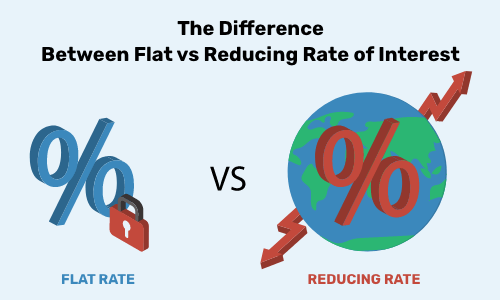 Last Updated : 30 Jun 2026Flat Interest vs Reducing Interest Rate: Know the Key DifferencesFlat Rate Vs Reducing Rate - Know the difference between Flat Rate and Reducing Interest in UAE with features & Benefits.