Common Credit Score Myths in UAE: Fact vs Fiction
Your credit score follows you through almost any financial decision in the UAE. A good score means easier credit card and personal loan approvals, not to mention better terms as well. However, a few credit score myths keep leading people into poor choices. Checking your own score, for example, does ...read more

T&C Apply
 Easy loan approvals
 Credit limit Increased
 Reduced Insurance Premiums
Check FREE Credit Score

Check FREE Credit Score

 Tanvi Pathak


Below, we will separate fact from fiction, debunk some common credit score myths in the UAE, and explain what’s actually true.
What is a Credit Score in the UAE?
A credit score is a three-digit number, ranging from 300 to 900, that shows your creditworthiness. The Al Etihad Credit Bureau (AECB) assigns you a score based on your credit report, which draws data from banks, finance companies, telecom providers, and more.
Banks and lenders use this score to assess your financial behaviour and how likely you are to repay on time. Put simply, a good score opens the door to better credit terms in the UAE.
7 Common Credit Score Myths in the UAE
Here are seven common credit score myths worth clearing up:
1. Checking Your Credit Score Lowers It
Fact: Checking your own credit score does not lower it.
When you check your score through the AECB website or app (or on Paisabazaar.ae for free!), it counts as a soft enquiry. In this case, your score stays exactly where it is. A hard inquiry is different. That happens when a lender checks your score after you formally apply for a loan or credit card. Hard inquiries can decrease your score slightly.
Tip: Planning to apply for a personal loan, credit card, or a car loan? Check your credit score first. You’ll get a clear picture of your credit profile and spot any issues that need attention. You can then go with a stronger application, which lowers the chances of rejection.
2. A High Salary Guarantees a High Credit Score
Fact: Your salary doesn’t play any part in calculating your credit score.
AECB doesn’t treat your salary as a scoring factor. What it looks at is how you repay and manage debt. Your salary actually comes into play later, when a bank or a lender reviews your salary for loan or credit card applications.
Example: Someone earning AED 15,000 a month with a history of missed payments may have a lower credit score than someone earning AED 7,000 a month who has never missed any payments.
3. Closing a Credit Card Always Improves Your Credit Score
Fact: Closing a credit card doesn’t always improve your score.
When you close a card, your total credit limit can actually shrink. If your outstanding balance stays the same, your credit utilization ratio goes up. This, in turn, can bring down your score. So before closing a card, look at your outstanding balance, spending habits, and overall credit profile.
Example: You have 2 credit cards (say Card A and Card B), each with a limit of AED 10,000. Card A has an outstanding balance of AED 4,000, while Card B has none.
If you close Card B, your total credit limit drops from AED 20,000 to AED 10,000, while you still owe AED 4,000. In this case, your credit utilization jumps from 20% to 40%. It means you’re now using a much bigger chunk of your credit, which won’t help your credit score.
4. Carrying a Credit Card Balance Improves Your Credit Score
Fact: Not true. Carrying a credit card balance doesn’t help you maintain a healthy credit score.
In reality, carrying a balance on your card costs you more. This is because banks charge interest on unpaid amounts. Pay your full statement balance by the due date to avoid these charges. Also, keep your credit utilization low. Staying below 30% is a commonly recommended benchmark.
5. You Only Need to Check Your Credit Score When Applying for a Loan
Fact: Checking your credit score regularly is a smart financial habit. It helps you catch problems early.
Your credit report records your credit facilities, payment history, and financial obligations. Reviewing it periodically lets you spot missed payments, unfamiliar accounts, or incorrect details before applying for new credit.
6. Having No Loans Means You Have a High Credit Score
Fact: Having no loans doesn’t automatically earn you a high credit score.
No loans or credit cards usually mean you have a limited credit history. This can make it harder for lenders to judge how you repay. That said, your AECB score may still be based on other available financial information.
Example: If you’ve recently moved to the UAE as an expat and haven’t taken a loan or used a credit card yet, your local credit history would be limited. In this case, lenders may ask for additional information before deciding on your loan/credit card application.
7. All Credit Score Information is Automatically Accurate
Fact: Your credit report can contain errors.
AECB builds your credit score report from information supplied by banks, telecom companies, and finance companies. Any of them can make a mistake, and it can show up on your credit profile as an incorrect balance, outdated account status, or incorrect payment.
Tip: Check your report carefully. If something looks wrong, contact the relevant lender or provider and follow the AECB's process for raising a dispute.
Read More: How to Resolve Credit Report Errors?

What Actually Affects Your Credit Score in the UAE?
Your credit score in the UAE actually comes down to these key factors:
Payment History
Pay loan instalments, credit card bills, and other financial obligations on time. Missed or delayed payments can drag your credit score down.
Existing Credit and Loan Obligations
Multiple outstanding loans and credit facilities can affect how lenders see your ability to take on more debt. In the UAE, the Central Bank generally limits total monthly loan repayments, including credit card obligations, to 50% of your gross salary.
Credit Applications and Enquiries
Each time you apply for a loan or credit card, the bank may run a hard inquiry. This inquiry appears on your credit report. Applying for, say, 3-4 cards in one go can signal that you’re seeking credit frequently. This can lower your credit score.
Credit Utilization and Outstanding Balances
Credit utilization, as we saw earlier, is the portion of your available credit that you’re using. For example, spending AED 2,000 of an AED 10,000 credit limit means your utilization is 20%. Keep this ratio low to maintain a healthy credit profile and improve your chances of qualifying for credit in the future. For a good score, try to keep credit utilization below 30%.
How to Check Your Credit Score in the UAE?
On Paisabazaar.ae, you can check your credit score for free. Just enter your mobile number and click on ‘Check Credit Score’ to get your score. However, if you want the credit report as well, use the AECB website or app.
How to Build and Maintain a Healthy Credit Profile?
These practical tips can help you build and maintain a healthy credit profile:
- Pay credit obligations on time: Set up reminders or automatic payments to avoid missing due dates.
- Review your credit information regularly: Look for incorrect balances, unfamiliar accounts, and outdated records on your credit report.
- Avoid unnecessary credit applications: Apply for a loan only when you genuinely need additional credit.
- Keep outstanding balances low: Avoid maxing out your credit limit.
- Track all financial commitments: Include loan instalments, credit cards, and other reported obligations in your monthly budget.
| Credit Score for different types of Loan | |||
|---|---|---|---|
| Credit Score for Personal Loan | Credit Score for House Loan | Credit Score for Car Loan | Credit Score for Student Loan |

More From Credit Score
- Recent Articles
- Popular Articles
 Last Updated : 03 Jun 20264 Ways in Which Credit Score Goes Beyond BankingYour AECB credit score affects more than loans — landlords, employers, and insurers check it too. Discover 4 surprising ways your credit score shapes daily life in the UAE.
 Last Updated : 20 May 2026Credit Score Check for Tenancy Contracts: All You Should KnowA complete guide to credit score checks for tenancy contracts: what they reveal, how landlords use them, and steps to secure your rental approval.
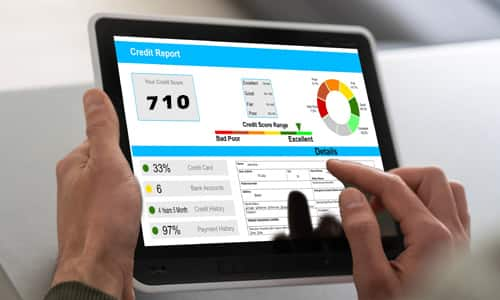 Last Updated : 20 May 2025What Does a 710 Credit Score Mean?This article will discuss credit scores in the UAE and answer the question “Is 710 a good credit score”? As you keep reading, you will also find out the prospects of an individual with a 710 credit score in UAE with respect to obtaining a credit card or a loan.
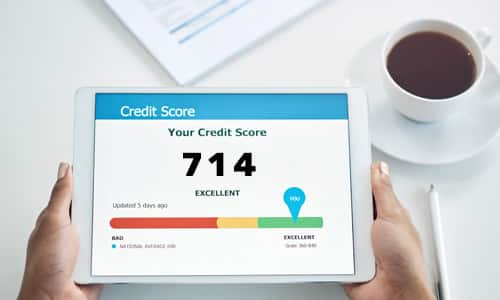 Last Updated : 20 May 2025What Does a 714 Credit Score Mean?This article will discuss credit scores in the UAE and answer the question “Is 714 a good credit score”? As you keep reading, you will also find out the prospects of an individual with a 714 credit score in UAE with respect to obtaining a credit card or a loan.
 Last Updated : 20 May 2025What Does a 697 Credit Score Mean?This article will discuss credit scores in the UAE and answer the question “Is 697 a good credit score”? As you keep reading, you will also find out the prospects of an individual with a 697 credit score in UAE with respect to obtaining a credit card or a loan.
 Last Updated : 20 May 2025What Does a 686 Credit Score Mean?We will explore the meaning of a 686 credit score, the factors that affect it, and how you can improve it.